HRE vs BC Forged Wheels: Which Forged Set to Buy?

Balanced HRE vs BC Forged comparison for performance and exotic builds, with fitment help from CarGym.

Balanced HRE vs BC Forged comparison for performance and exotic builds, with fitment help from CarGym.
Valve modes, sound/weight tradeoffs, and when to choose an iPE catback vs a fuller system.
Shopping for custom wheels is easier when you know what to compare before you click into a category page. The right set can change your vehicle’s stance, finish, and overall presence, while also affecting fitment, tire choice, and installation details. For buyers browsing retailer or dealer inventory, the best approach is to start with your vehicle, then narrow by size, style, and compatibility. That keeps the search practical and helps you move from a broad assortment to a wheel set that suits your ride without unnecessary returns or guesswork. Category pages work best when they help you compare options quickly and buy with confidence. Custom wheels can update the look of a car, truck, or SUV in a dramatic way, and they may also influence ride feel, clearance, and tire selection. The goal is not to overpromise performance gains, but to make it easy to browse by the factors that matter most: fitment, diameter, finish, and intended use. If you are shopping for a daily driver, a performance build, or a more distinctive show look, the right page should help you narrow choices without slowing the process down. Your first filter should always be year, make, model, and trim. That is the fastest way to avoid mismatched options and wasted time. A wheel listing with guaranteed fitment reduces guesswork because it helps confirm that the set is meant for your specific vehicle before you reach checkout. Fitment is shaped by several details, including wheel diameter, offset, bolt pattern, and brake clearance. When those measurements line up, shopping becomes much more straightforward, and the chance of avoidable return issues drops significantly. For buyers comparing many styles at once, fitment should always come before appearance. The bolt pattern must match your vehicle exactly, or the wheel will not mount correctly. Even if a wheel looks right, the pattern is non-negotiable. It is also worth checking whether center bore size or hub-centric support matters for proper seating and stability. These details may seem small, but they are part of what makes a set feel secure and correctly installed. Offset controls how far the wheel sits inward or outward relative to the hub, which affects stance, clearance, and fender spacing. Width matters too, because it influences tire selection, suspension clearance, and the chance of rubbing. If you want a cleaner flush look, those numbers deserve close attention before you choose between similar designs. Wheel diameter changes the visual proportion of the vehicle and also affects tire sidewall height. Smaller diameters often suit buyers who want a more comfortable setup with a fuller tire profile, while larger diameters usually create a more aggressive, high-presence look. The best choice depends on how you want the vehicle to look and feel, as well as what inventory is available for your fitment. When browsing category pages, diameter becomes one of the quickest ways to narrow the field and match the style of your build. Different wheel styles suit different goals. A sporty build may lean toward sharper spoke designs, while luxury-focused shoppers often prefer refined finishes and balanced proportions. Off-road setups usually call for tougher-looking designs that match the vehicle’s purpose. Popular finishes such as gloss black, machined, polished, and chrome also help you separate options quickly. As you compare styles, think about spoke shape, how easy the wheel will be to clean, and whether the finish suits everyday use or a more dramatic appearance. For many buyers, wheel and tire packages are the simplest path to a ready-to-install setup. Bundling the parts can save time because you are not searching for separate components and wondering whether they match. It also helps streamline ordering when you want a more complete purchase in one step. Even so, package sizing still needs to follow your vehicle’s fitment, plus the sidewall profile you want. A well-matched package can be especially helpful for shoppers who want a straightforward upgrade with fewer moving parts to manage. Proper mounting and balancing help support a smoother drive and reduce installation hassle. If your vehicle uses TPMS, confirm sensor compatibility before checkout so there are no surprises after delivery. These details are easy to miss when you are focused on style, but they matter for a complete purchase. Hardware should be part of the order, not an afterthought. Lug nuts, valve stems, and hub rings can all affect how smoothly the wheels install and how securely they seat. Thread pitch, seat type, and fit must match both the vehicle and the wheel design. When those pieces are correct, installation is more straightforward and less frustrating. If you are switching from factory wheels to an aftermarket set, checking the hardware list can prevent small compatibility issues from becoming delays. A well-organized category page makes it easy to shop by vehicle type. Sedan, truck, SUV, performance, and off-road users all tend to prioritize different wheel sizes, widths, and load needs. That is why browsing by use case is so helpful: it quickly separates everyday fitments from more specialized options. If you drive a Porsche 911, 996, 997, 986, or 987, or something larger like a Lamborghini Urus, the best shortlist will usually look very different. The same is true for owners of platforms like the VW Mk4 Jetta or Golf GTI, where practical fitment and style often have to work together. Filters are your fastest route from a large catalog to a short list. Start with vehicle compatibility, then sort by price, finish, diameter, and brand to compare similar options side by side. On a busy retailer page, that approach reduces decision fatigue and keeps the search focused. If you already know the style you want, filters can help you eliminate close-but-not-quite matches and move toward the wheels that actually fit your budget and build goals. Before you place the order, take one last pass through the details. Confirm fitment, wheel diameter, bolt pattern, offset, and whether the correct hardware is included. Review the package contents as well, especially if tires, mounting, balancing, or sensors are part of the order. It is also smart to check return terms and shipping protection so you know what happens if something arrives wrong or incomplete. A calm final review can save time later and make the purchase feel much more secure. If you are deciding between two styles, sizes, or package options, it helps to get expert input before checkout. Fitment questions can be resolved quickly when someone reviews the vehicle details with you, especially if you are balancing appearance with clearance or package convenience. That extra guidance can make the difference between a good guess and the right set for your build.Choosing custom wheels for your vehicle
Start with your vehicle fitment
Check bolt pattern and hub requirements
Match offset and width carefully
Choose the right wheel diameter
Pick a style that fits your build
Compare wheel and tire package options
Understand mounting, balancing, and TPMS
Do not forget lug nuts and installation hardware
Shop by vehicle type and use case
Use filters to narrow the best options
What to review before checkout
Get help choosing the right set
Shopping for a gallardo body kit usually starts with one question: which retailer or collection actually has the right parts for your car. For Lamborghini Gallardo owners, the best listings make it easy to browse by model range, compare exterior styling pieces, and confirm whether you’re looking at a full kit or a single component. That matters because supercar fitment parts are often labeled by style rather than exact factory trim. A careful shortlist saves time and reduces the chance of ordering the wrong combination. Start by browsing retailers that organize body kits for lamborghini gallardo into clear collections instead of mixing every part together. A good storefront usually separates exterior kits, single aero pieces, and carbon fiber add-ons so you can compare styles side by side. That is especially useful when you are looking at aftermarket collections for a lamborghini gallardo, because the same listing may be offered in multiple finishes or fitment ranges. Before choosing, compare product names, fitment notes, and what is actually included. Many listings reference lp550/lp560/lp570 rather than only “Gallardo,” so the model code matters. Year range, coupe versus Spyder fitment, and whether a part is described as vehicle-specific all affect compatibility. Some products are sold as a full body kit, while others are individual pieces or a style conversion. If a listing says “LP570 style,” treat that as a design reference first and verify the exact application before buying. Most buyers will see the same core categories repeated across retail listings: front bumper, side skirts, rear diffuser, rear spoiler, and wing. For example, a 2009-2014 lamborghini gallardo lp570 style front bumper or 2004-2014 lamborghini gallardo bkss style side skirts may appear as standalone upgrades or as part of a matched package. Carbon fiber is another common filter, especially for shoppers comparing visual finish and material. The key is to separate styling pieces from full collections so you can compare like with like. Exterior aero parts shape the Gallardo’s stance more than anything else. Bumpers, skirts, diffusers, and rear spoilers often define the look of the entire build, and some retailers bundle them into coordinated sets while others sell them individually. You may also see terms like lp570 style side skirts, carbon fiber front bumper, carbon fiber rear diffuser, carbon fiber trunk spoiler, or trunk spoiler wing. Treat these as visual and fitment cues first, not performance claims. Some buyers also browse complementary interior trim, including a carbon fiber handbrake surround, carbon fiber interior storage box cover, and other accent pieces. These are not exterior body panels, but they can help create a more complete cabin theme when the outside already has carbon fiber styling. If you are building a coordinated look, check whether the retailer groups interior and exterior items separately so you do not confuse trim parts with body kit components. Before adding anything to cart, check the fitment years, model variant, included hardware, and finish. Photos matter because many listings use similar style language, and the same part name can appear in different materials or configurations. Read the description closely to see whether the item is a single piece, a matched pair, or a multi-part set. When possible, compare listings that clearly separate body kit pieces from cosmetic add-ons so the value is easier to judge. A full kit is usually the cleaner choice when you want the front, sides, and rear to look consistent. It can also simplify browsing if you prefer one matched collection instead of mixing parts from different lines. That said, not every “kit” includes the same components, so confirm exactly what is inside before checkout. For buyers who want a cohesive styling direction, a complete set is often easier to compare than assembling each piece one by one. Good retailers make selection easier with clear fitment labels, organized collections, and straightforward part naming. Vehicle-specific browsing helps when you are filtering lamborghini gallardo body kits, while clean product pages reduce guesswork around style, finish, and included components. If shipping, return terms, or support information are visible, compare those details too. For a high-value vehicle, the browsing experience is part of the buying decision. Before you order, confirm the model year, trim, part type, material, and what is included in the listing. Then compare a few retailers side by side and choose the gallardo body kit that matches your fitment and styling goals.Where to browse Gallardo body kit options
Gallardo model ranges and fitment basics
Popular body kit components to compare
Exterior aero pieces
Carbon fiber interior and trim pieces
How to compare listings before buying
When a full kit makes more sense
How to choose the right retailer
Final buying checklist for Gallardo owners
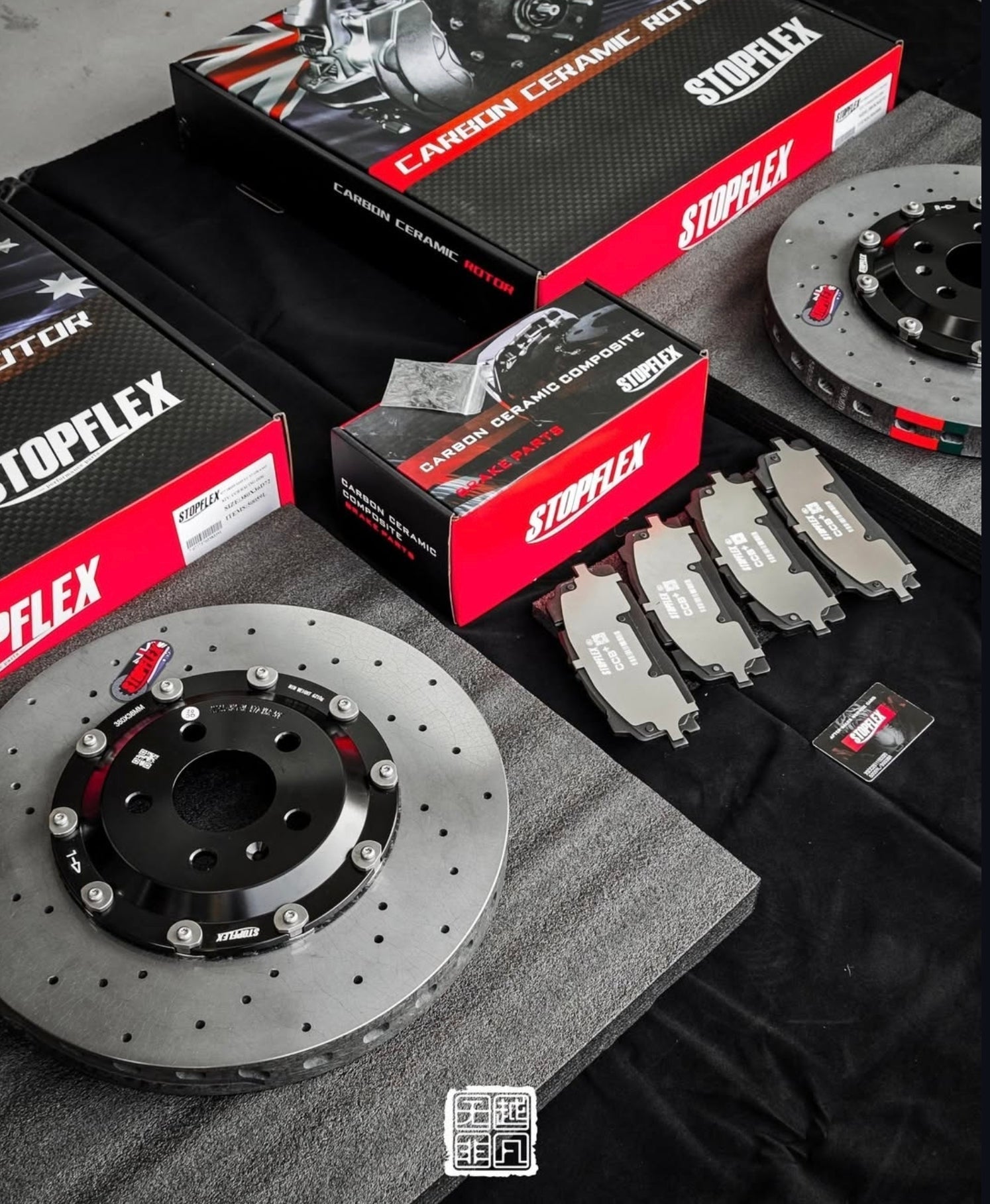
Hard braking on a long downhill run or a fast lap exposes weak rotors quickly. That is where carbon ceramic brake discs earn attention: they are built for extreme heat, stable pedal feel, and strong stopping power in demanding cars. They also come with a real price tag, so the choice is not simple. This guide explains what they are, how they are made, how they perform, and whether they are actually better than common alternatives for daily driving or performance use. Carbon ceramic brake discs are rotors made from carbon fibers combined with a ceramic matrix, rather than solid steel or cast iron. The goal is simple: keep braking strong when temperatures rise far beyond what regular rotors handle well. Compared with steel, they resist heat better, fade less under repeated hard stops, and can be lighter too. That is why they are common on performance cars and many luxury models, where consistent braking matters more than low purchase cost. The manufacturing process starts with carbon fiber layers, which are formed, heated, and then infused with ceramic materials to create a dense composite disc. In many designs, the rotor is baked in carefully controlled stages so the carbon and ceramic bond properly. That control is expensive and slow, which is a big reason these discs cost so much. The exact material mix matters: more ceramic can improve heat resistance and wear life, while the carbon structure helps keep weight down and strength high. On the road or track, the biggest advantage is consistency. Carbon ceramic brake discs stay calmer under repeated hard stops, resist brake fade, and hold performance better at very high temperatures. The trade-offs are just as real: they are expensive, can produce noise, and may feel less effective when cold compared with standard rotors. For a driver who rarely pushes hard, those benefits may never be fully used, but in mountain runs, track sessions, or high-speed braking, they clearly outperform conventional discs. Against cast iron rotors, carbon ceramic brake discs win on heat resistance, fade control, and weight, but they lose on price and everyday practicality. Compared with carbon fiber brakes used in other applications, ceramic-based automotive discs are far more suitable for road cars because they tolerate repeated braking and weather exposure better. For daily commuting in Hong Kong, cast iron often makes more sense. For track use, high-performance Porsche 911 GT3 PCCB brake discs, Porsche Cayenne Turbo GT carbon ceramic brakes, or Lamborghini Urus carbon ceramic brake discs models, or an owner who wants the best factory-spec stopping hardware, the upgrade can be worthwhile if lifespan and replacement expense fit the budget.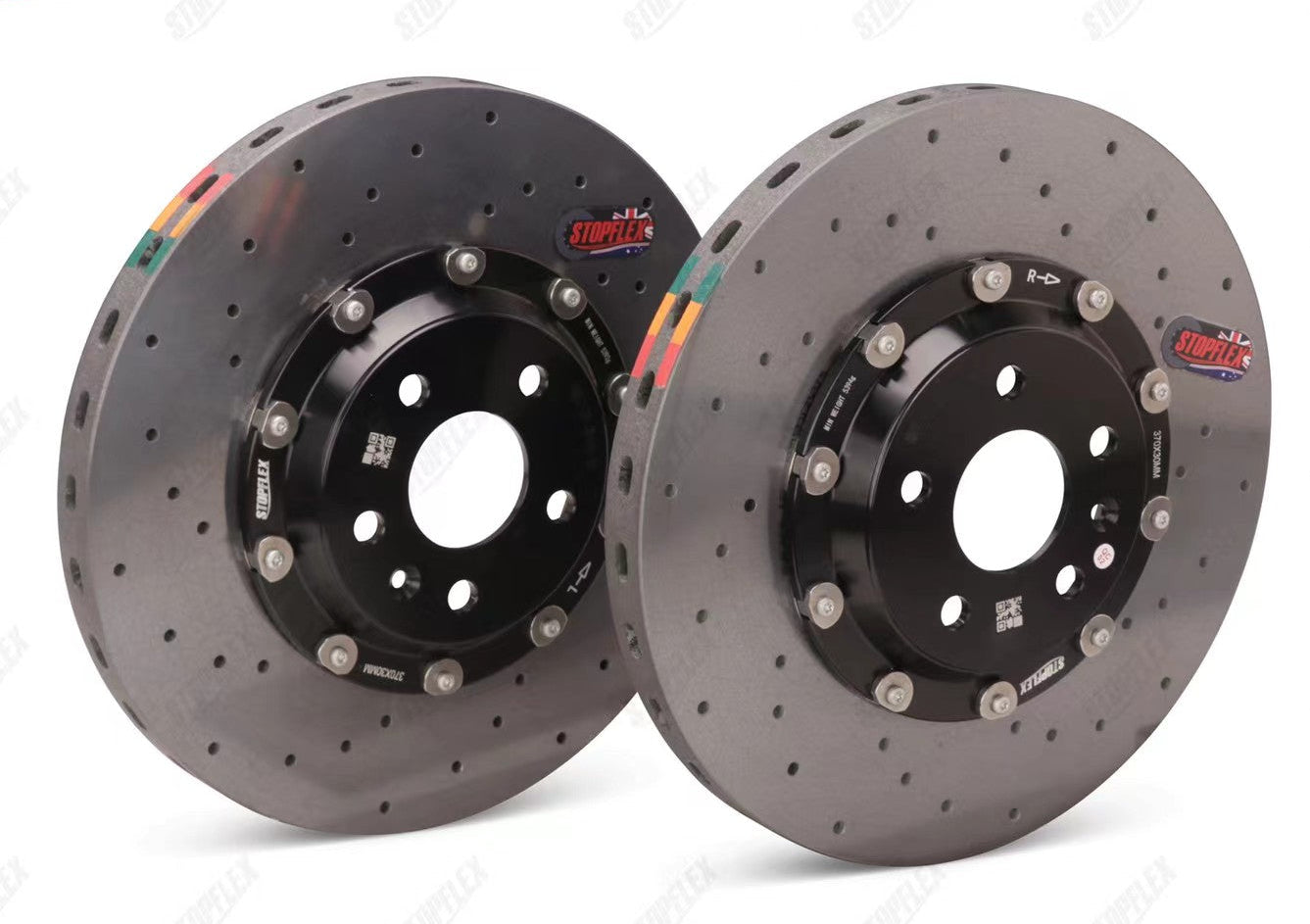
What Are Carbon Ceramic Brake Discs?
How Carbon Ceramic Brake Discs Are Made

Performance Benefits and Trade-Offs
Are Carbon Ceramic Brake Discs Better Than Alternatives?


