
Carbon Ceramic Brake Discs: A Complete Guide

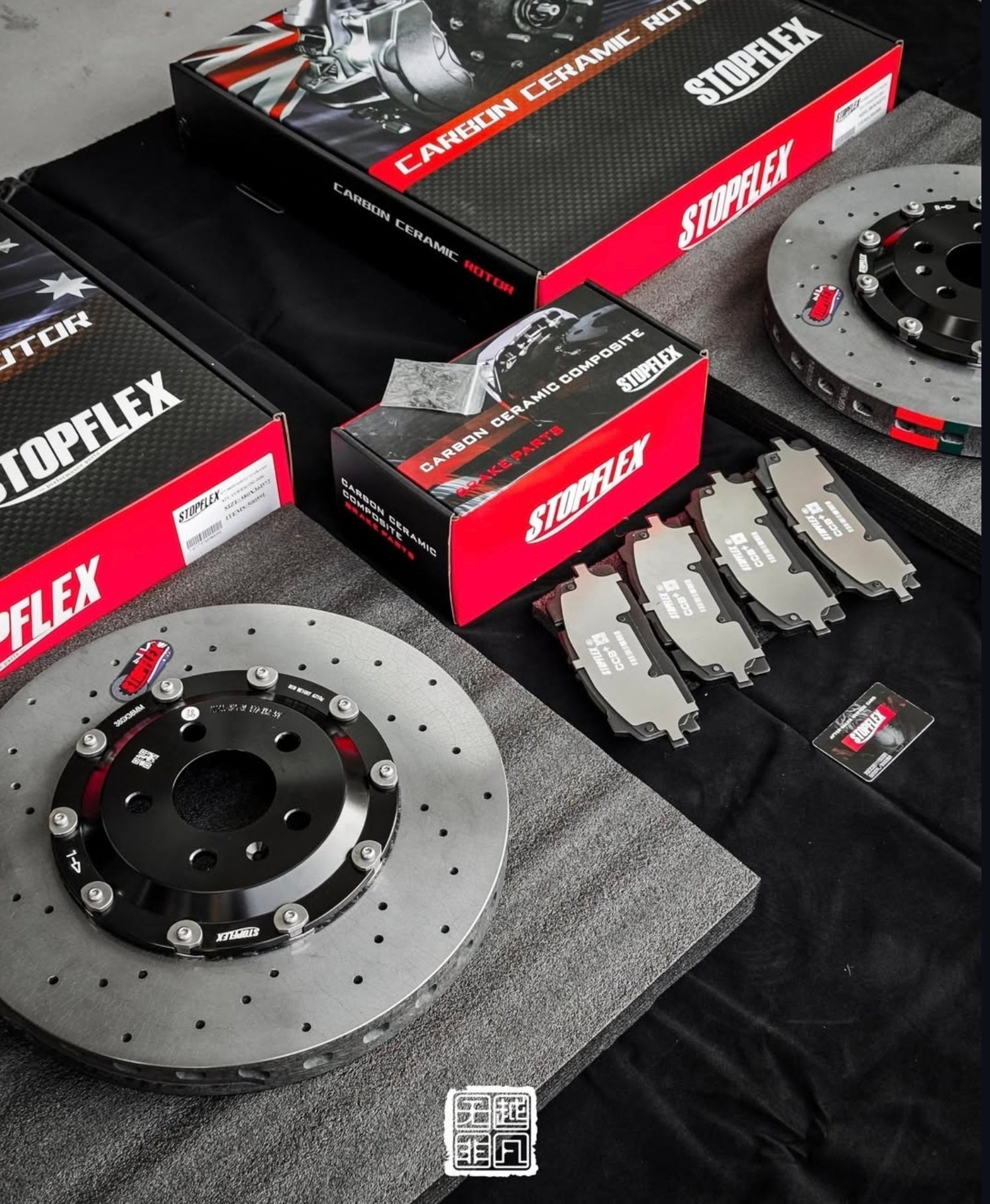
Hard braking on a long downhill run or a fast lap exposes weak rotors quickly. That is where carbon ceramic brake discs earn attention: they are built for extreme heat, stable pedal feel, and strong stopping power in demanding cars. They also come with a real price tag, so the choice is not simple. This guide explains what they are, how they are made, how they perform, and whether they are actually better than common alternatives for daily driving or performance use. Carbon ceramic brake discs are rotors made from carbon fibers combined with a ceramic matrix, rather than solid steel or cast iron. The goal is simple: keep braking strong when temperatures rise far beyond what regular rotors handle well. Compared with steel, they resist heat better, fade less under repeated hard stops, and can be lighter too. That is why they are common on performance cars and many luxury models, where consistent braking matters more than low purchase cost. The manufacturing process starts with carbon fiber layers, which are formed, heated, and then infused with ceramic materials to create a dense composite disc. In many designs, the rotor is baked in carefully controlled stages so the carbon and ceramic bond properly. That control is expensive and slow, which is a big reason these discs cost so much. The exact material mix matters: more ceramic can improve heat resistance and wear life, while the carbon structure helps keep weight down and strength high. On the road or track, the biggest advantage is consistency. Carbon ceramic brake discs stay calmer under repeated hard stops, resist brake fade, and hold performance better at very high temperatures. The trade-offs are just as real: they are expensive, can produce noise, and may feel less effective when cold compared with standard rotors. For a driver who rarely pushes hard, those benefits may never be fully used, but in mountain runs, track sessions, or high-speed braking, they clearly outperform conventional discs. Against cast iron rotors, carbon ceramic brake discs win on heat resistance, fade control, and weight, but they lose on price and everyday practicality. Compared with carbon fiber brakes used in other applications, ceramic-based automotive discs are far more suitable for road cars because they tolerate repeated braking and weather exposure better. For daily commuting in Hong Kong, cast iron often makes more sense. For track use, high-performance Porsche 911 GT3 PCCB brake discs, Porsche Cayenne Turbo GT carbon ceramic brakes, or Lamborghini Urus carbon ceramic brake discs models, or an owner who wants the best factory-spec stopping hardware, the upgrade can be worthwhile if lifespan and replacement expense fit the budget.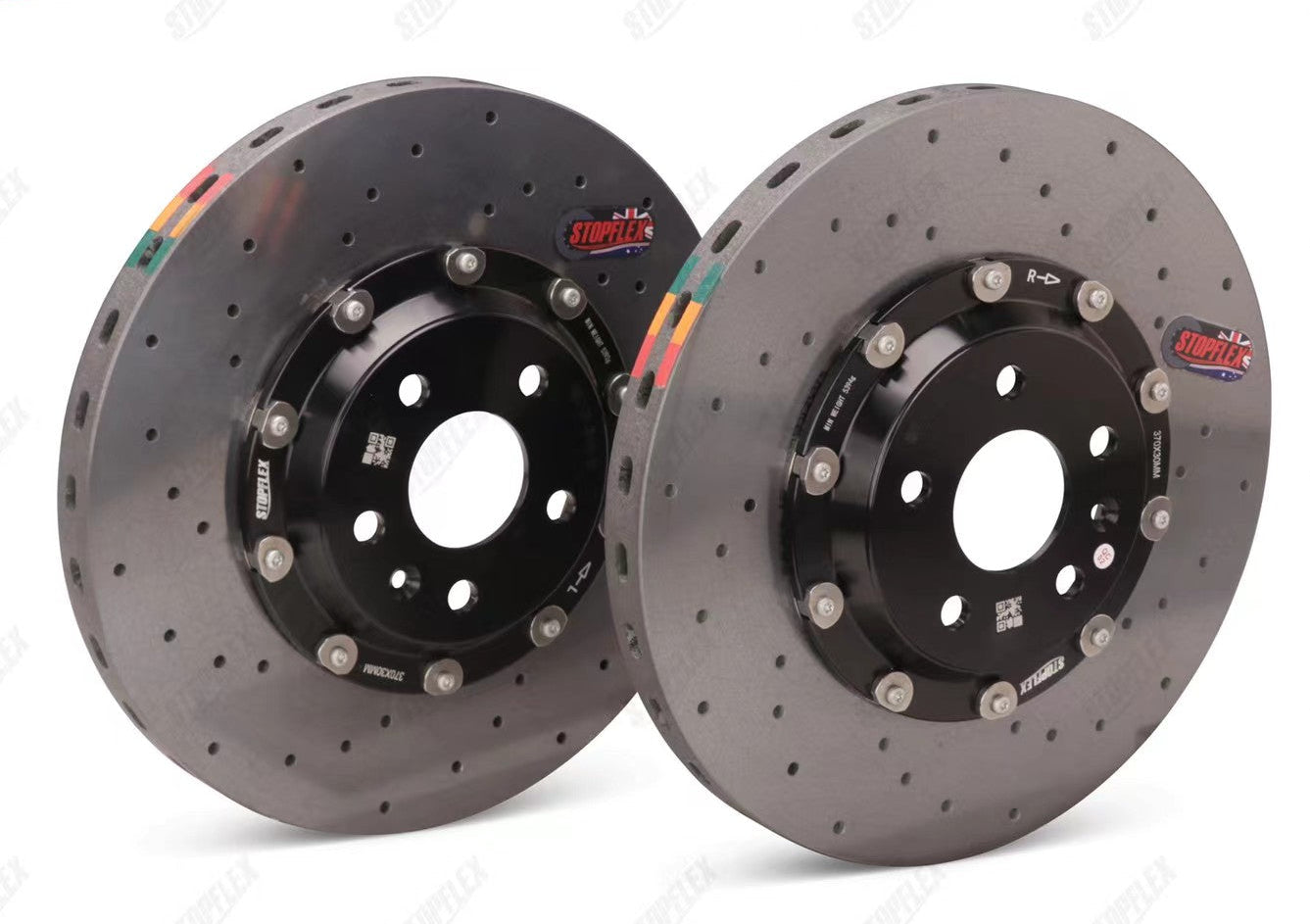
What Are Carbon Ceramic Brake Discs?
How Carbon Ceramic Brake Discs Are Made

Performance Benefits and Trade-Offs
Are Carbon Ceramic Brake Discs Better Than Alternatives?