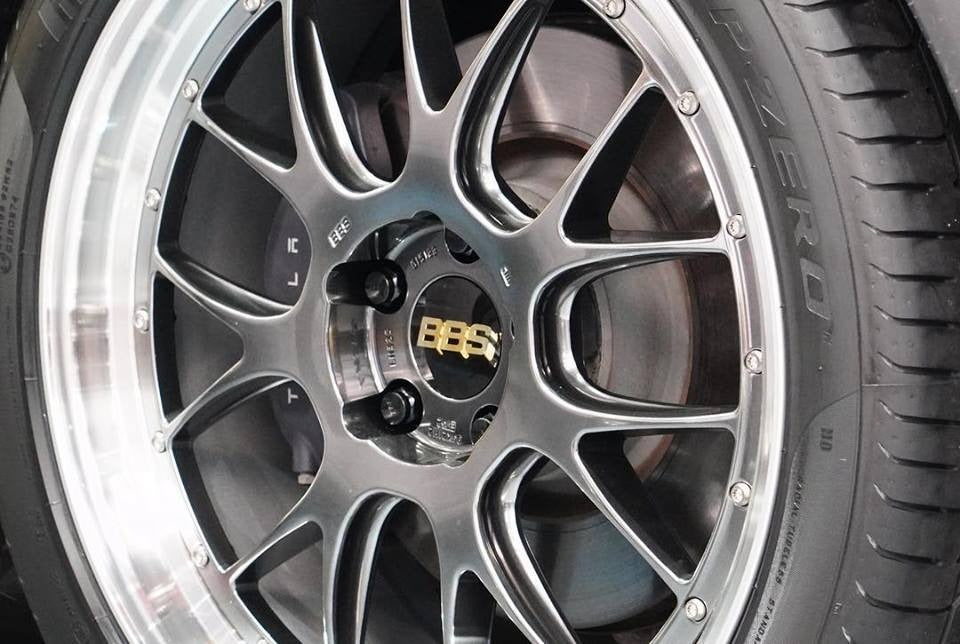
Porsche OEM Wheels: The Complete Buyer's Guide (Sizes, Designs, Pricing & Where to Buy)

If you're shopping for Porsche OEM wheels, you've probably already discovered two things: genuine wheels transform how a Porsche looks and drives, and buying them new from a dealer can cost more than some used cars. This guide walks through everything you need to know before you buy — genuine vs. aftermarket, how to pick the right design and size for your model, what "demo," "used," and "refurbished" actually mean, and how to avoid an expensive fitment mistake.
Why Genuine Porsche OEM Wheels Are Worth It
Every Porsche wheel program is engineered around a specific chassis, brake package, and suspension geometry. That's the core argument for Porsche OE wheels over generic aftermarket alternatives:
- Exact fitment. Correct offset, bolt pattern, and hub bore mean no spacers, no rubbing, and no guesswork.
- Brake clearance. Porsche calipers — especially PCCB and big-brake GT packages — are tight on clearance. OEM wheels are designed around them from day one.
- Ride and NVH. Factory wheels are tuned alongside the suspension, so you don't get the harshness or vibration that can come with mismatched aftermarket sizing.
- Resale value. Buyers shopping for a used Porsche often look for factory-correct wheels; non-factory setups can actually hurt resale versus a clean OEM look.
- Styling accuracy. Designs like RS Spyder, Turbo Design, Exclusive Design, or Sport Classic are instantly recognizable and match the character of the specific trim they were built for.
Aftermarket forged wheels still have a place — mainly for owners chasing lighter unsprung weight or a completely custom look. But for most owners, genuine Porsche wheels remain the safer, more cost-effective, and more reliable choice.
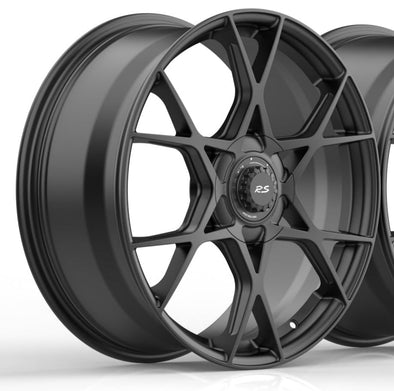
New vs. Demo vs. Used vs. Refurbished — What You're Actually Paying For
This is where most buyers get confused, and it's also where the real savings are. A brand-new set direct from Porsche can run into the tens of thousands of dollars. That's why sourcing from a specialist matters — you can get the exact same factory wheel at a fraction of dealer pricing, depending on condition grade:
- New/New take-off — Unused wheels, often removed from a car during a trim upgrade or aftermarket swap. Cosmetically flawless, full retail-adjacent quality at a lower price.
- Demo car wheels — Pulled from dealer demonstrator or press vehicles with light mileage. Minor cosmetic wear at most, mechanically as-new.
- Used — Removed from an owner's car, typically during a wheel or tire upgrade. Condition varies, but functionally sound and usually the best value per set.
- Refurbished — Used wheels that have been inspected, repaired, and refinished (straightened, re-machined, repainted) to bring them back to a like-new finish.
This is exactly the model you'll see across CarGym's Porsche genuine OEM wheels set collection, where each listing clearly states the condition and shows the original retail price crossed out next to the current price — so you can see the actual savings before you buy, not after.
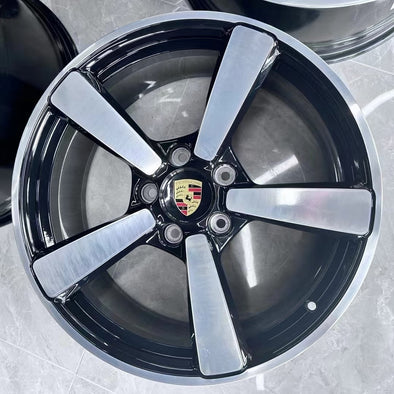
Popular Porsche OEM Wheel Designs by Model
Porsche has released dozens of factory wheel designs over the years. A few of the most sought-after:
911 (992/991 generations)
- RS Spyder Design — motorsport-inspired, works especially well on Carrera and GTS trims
- Turbo Design (I & II) — bold multi-spoke look built for the Turbo/Turbo S
- Carrera Classic / Carrera Classic III — a cleaner, retro-leaning aesthetic
- GT3 / GT3 RS centerlock wheels — lightweight magnesium construction for track-focused cars
- Exclusive Design — Porsche's premium styling line, often color-matched

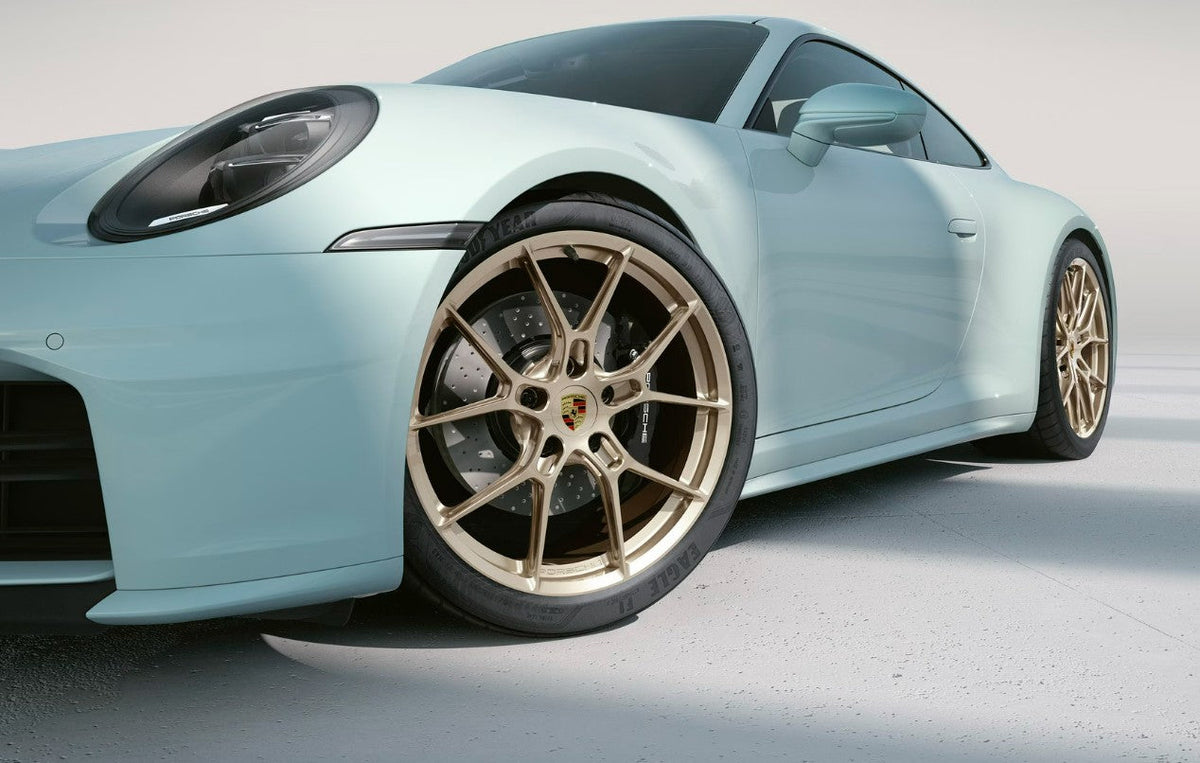
Cayenne
- Exclusive Design, RS Spyder Design, SportTechno, Turbo Design — all available in 21" and 22" fitments depending on generation
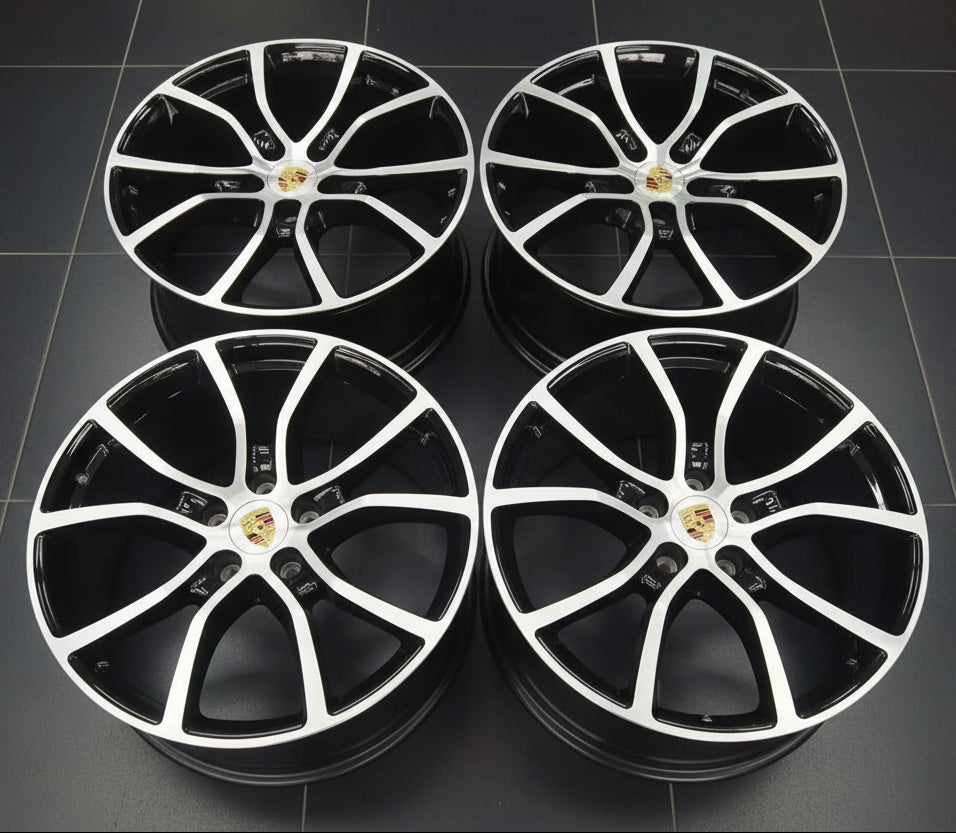
Macan (including the H2 EV / GTS / Turbo 2025+ range)
- RS Spyder, Sport, Exclusive Design, and Macan Style wheels, typically 20"–22"
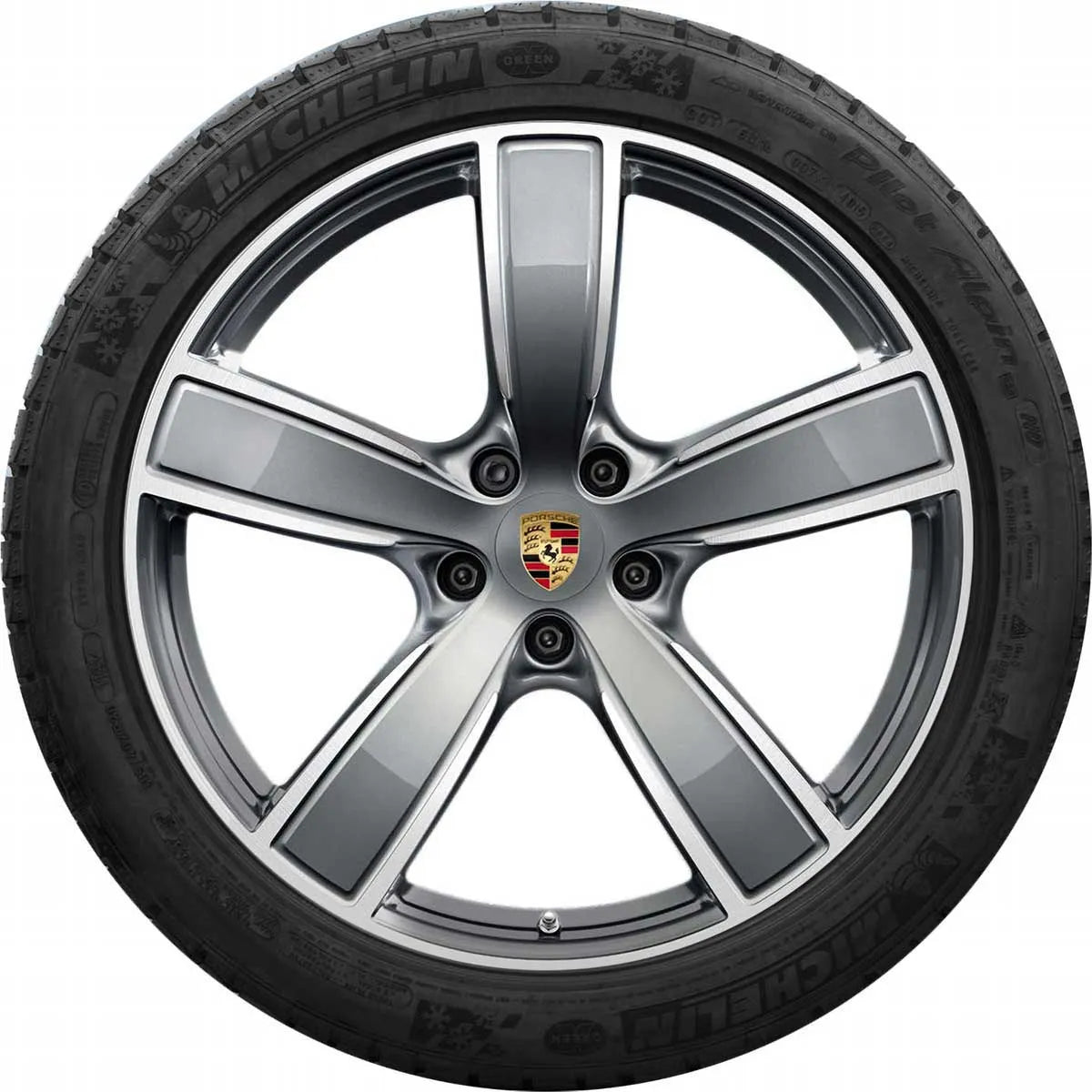
Panamera
- Sport Design and 911 Turbo Design wheels in 21" sizes
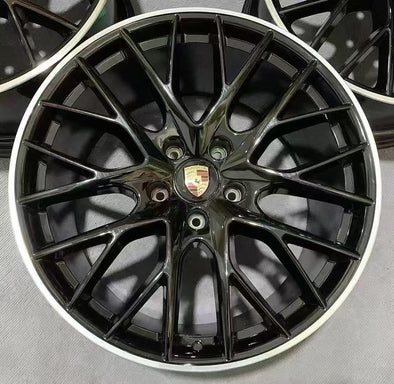
718 Boxster/Cayman
- Carrera S and Carrera Sport complete wheel sets, usually 20"
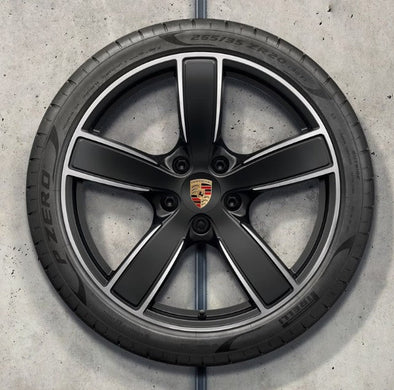
If you know your VIN or current wheel part number, matching the exact design is straightforward. If you're upgrading to a different look (say, swapping factory 19s for a 21" RS Spyder set), fitment verification becomes more important — see the sizing section below.
How to Choose the Right Size and Fitment
Before buying any Porsche OEM wheels, confirm these four things:
- Bolt pattern and center bore — must match your specific model and generation exactly.
- Offset (ET) — determines how far the wheel sits in or out of the fender. Even a few millimeters off can cause rubbing or poor handling feel.
- Width and diameter, front vs. rear — most Porsche models run staggered setups (narrower front, wider rear), so front and rear wheels are usually different sizes.
- TPMS compatibility — factory wheels are typically pre-drilled or sized for Porsche's TPMS sensors, so you avoid buying sensors separately.
A general rule of thumb: larger wheels (21"–22") sharpen the visual stance and can improve cornering response, but they also mean shorter sidewalls, which trades away some ride comfort. Smaller factory sizes (19"–20") tend to ride better on rougher roads and are gentler on tire wear. If you split time between daily driving and spirited weekend runs, it's worth weighing that trade-off against how the car will actually be used before committing to a size.
What to Check Before You Buy
Whether you're buying new, demo, used, or refurbished, run through this checklist:
- Condition photos — ask for close-up shots of the barrel, spokes, and mounting face, not just a glamour shot.
- Structural integrity — confirm there's no cracking, bending, or repair welds (a legitimate concern on curb-rashed or accident-sourced wheels).
- Finish match — if you're keeping factory paint/finish, confirm the exact color code matches your car.
- Complete sets — verify you're getting a full matched set (and center caps/hardware), not mismatched leftovers from different cars.
- Included TPMS sensors — confirms whether sensors are bundled or need to be purchased separately.
- Return protection — buy from a seller with a clear damaged/defective policy, so you're covered if something arrives wrong.
Why Buy Porsche OEM Wheels from CarGym
CarGym has been sourcing performance and OEM parts for European and Japanese cars since 2002, and was named Best Car Tuning Parts Supplier in Hong Kong of 2025. A few reasons Porsche owners choose CarGym specifically for Porsche OE wheels:
- Condition-graded inventory — every listing is marked new, demo, used, or refurbished, with the original retail price shown alongside the current price, so the discount is transparent.
- Broad model coverage — current listings span 911 (992/991), Cayenne, Macan (including the newer H2 EV/GTS/Turbo generation), Panamera, and 718 Boxster/Cayman, across popular factory designs like RS Spyder, Exclusive Design, Turbo Design, and centerlock GT3/GT3RS-style wheels.
- Worldwide shipping — CarGym ships to Asia, Europe, North America, and beyond, so location isn't a barrier to sourcing a hard-to-find factory design.
- A damage/defect exchange policy — if a wheel arrives damaged or defective, CarGym covers replacement shipping and handles the exchange directly.
- Specialist knowledge — this isn't a general parts marketplace; the team works specifically with European and Japanese performance brands daily, which matters when you're trying to match an exact offset or design across model years.
Browse the current inventory of Porsche OEM wheels to see live pricing and condition grades by model.
Frequently Asked Questions
Are Porsche OEM wheels better than aftermarket wheels? For most owners, yes. Factory wheels are engineered for correct offset, brake clearance, and ride quality specific to your model, so you avoid fitment headaches. Aftermarket forged wheels can offer more customization or lighter weight, but genuine wheels are generally the safer, more predictable choice — and tend to hold resale value better.
How much do Porsche OEM wheels cost compared to buying new from a dealer? Genuine wheels bought new through a Porsche dealer can be significantly more expensive than sourcing new, demo, used, or refurbished sets from a specialist. Buying a lightly used or demo set can cut the cost dramatically while keeping the exact factory design and fitment.
What's the difference between demo, used, and refurbished wheels? Demo wheels come off low-mileage dealer or press cars and are close to new condition. Used wheels come from owner vehicles and vary more in cosmetic condition but are functionally sound. Refurbished wheels are used wheels that have been inspected, repaired, and refinished to a like-new standard. All three are meaningfully cheaper than buying new.
What size Porsche wheels should I choose? It depends on your model, generation, and how you use the car. Larger wheels (21"–22") sharpen the look and cornering feel; smaller factory sizes (19"–20") typically ride more comfortably and last longer on rough roads. Matching offset, bolt pattern, and front/rear staggered widths correctly matters more than diameter alone.
Do I need new TPMS sensors when I buy OEM wheels? Not always — many factory wheel sets are sold with sensors included or are compatible with your existing sensors. Confirm this with the seller before you buy to avoid an unexpected extra cost.
Is it worth upgrading Porsche wheels for performance, not just looks? Yes. Lighter, correctly-fitted wheels reduce unsprung weight, which can improve steering response, braking stability, and overall handling feel — on top of the styling upgrade.
Ready to find the right set for your car? Explore CarGym's full range of Porsche genuine OEM wheels, filterable by model, size, and condition, or reach out via WhatsApp for help matching the exact fitment for your Porsche.