""
改裝文化 | Weclome To CarGym | Tuning Culture
Search 0 Cart
Added to Cart
    You have items in your cart
    You have 1 item in your cart
    Total

    Installation Blogs

    Porsche Carbon Bucket Seats and Additional Safety: Guide

    Porsche Carbon Bucket Seats and Additional Safety: Guide

    Porsche carbon bucket seats tend to spark the same debate in forum threads and video comments: do they really make the car safer, or do they just feel more serious? Owners of the 718 Cayman GT4, 911 GT3, 911 GT3 RS, and 911 GT2 RS often describe a clearer driving experience, stronger body support, and a more focused cabin. The real question is less about catalog specs and more about how the seat changes confidence, control, and everyday usability.

    Why Porsche Carbon Bucket Seats Matter for Safety

    What drivers mean by “additional safety”

    • In owner discussions, additional safety usually means more than crash protection; it also covers body control, stability, and how well the driver stays planted in the seat.
    • When hard cornering or sudden braking keeps the torso from sliding around, concentration can improve because fewer small corrections are needed to stay positioned.
    • That said, a seat is only one part of a complete safety setup, and belt choice, mounting quality, and driving conditions still matter.

    How a carbon bucket seat supports the driver

    • A carbon fiber racing bucket seat uses a rigid shell that holds the torso more securely than many standard Porsche sport seats.
    • Compared with supportive factory comfort or sport seats, the carbon bucket typically offers far less movement and a more fixed position, which many owners interpret as a safety gain.
    • Most firsthand impressions focus on the sense of being “locked in,” especially during aggressive driving, rather than on any dramatic change in passive crash performance.

    Where the safety advantage feels most obvious

    • On spirited road drives, the benefit shows up during quick lane changes, downhill braking, and fast bends where the upper body can otherwise shift.
    • On track days, the stronger lateral support becomes easier to appreciate because repeated cornering loads expose the weakness of softer seats.
    • In racing conditions, the combination of support and confidence can feel like a real advantage, and comfort often improves at the same time because the body is no longer bracing itself.

    Fitment Across GT Models and Bucket Seat Choices

    Which Porsche models are commonly discussed

    • The most common fitment conversations usually involve the 718 Cayman GT4, Cayman GT4, 911 GT3, 911 GT3 RS, and 911 GT2 RS.
    • Owner questions change by generation because cabin width, seat mounting points, and interior packaging are not identical across these cars.
    • Retrofit projects often depend on brackets, rails, and the seat’s overall width, so a seat that works in one GT model may not be a simple direct swap in another.

    Why seat shape and size matter

    • Driver height, shoulder width, and helmet clearance all affect whether the seat feels snug, supportive, or overly restrictive.
    • Ergonomic design matters because the best-fitting shell can reduce fatigue on longer drives while still giving enough hold for track confidence.
    • Fixed-shell buckets usually feel more serious and race-focused, while more adjustable alternatives can be easier to live with for mixed street and weekend use.

    What to check before choosing a seat

    • Mounting points, airbag compatibility, and belt routing should be checked before any purchase or retrofit plan.
    • Preserving the correct driving position is crucial, because a seat that sits too high, too low, or too far back can undo the main benefits.
    • Many owners report frustration when a seat looks right in photos but proves awkward once installed, especially if legroom, steering reach, or side bolster height is off.
    Choice factor Why it matters
    Seat width Controls shoulder support and entry comfort
    Shell rigidity Affects how securely the torso is held
    Mounting hardware Determines fitment and driving position
    Adjustability Helps balance track use and daily usability

    Driving Experience: Comfort, Control, and Confidence

    How carbon bucket seats change the feel of the car

    • The cabin feels more locked-in during braking, cornering, and acceleration because the body moves less against the seat.
    • That tighter connection can make steering, throttle, and chassis feedback feel sharper and more direct.
    • For many owners, the biggest change is psychological as much as physical: the seat reduces distraction, so confidence rises quickly.

    Comfort on road and track

    • On short aggressive drives, the firm structure usually feels excellent, especially when the road surface is clean and the pace is high.
    • On longer highway or touring trips, the same firmness can become tiring if the padding is minimal or the seat angle does not suit the body.
    • Body type changes the experience a lot; a seat that feels perfect to one driver may feel too narrow or too rigid to another, even in the same 911 or Cayman GT4.

    Owner trade-offs worth mentioning

    • Ingress and egress are less graceful, especially in low-slung cars, and passengers may need a short explanation before they appreciate the setup.
    • Some drivers love the authentic race feel, while others miss the convenience of power adjustment, lumbar support, and easier daily use.
    • The best feedback usually comes from owners who treat the swap as a driving-focused modification rather than a comfort upgrade.

    Are Carbon Bucket Seats Worth It? Final Considerations

    Safety versus everyday practicality

    • The appeal of additional safety is strong when the car sees track days, mountain roads, or other situations where body control matters more than convenience.
    • A full bucket seat makes the most sense when the driver prioritizes support, precision, and a consistent seating position over all-day flexibility.
    • For mainly urban use in Hong Kong SAR, the better choice depends on how often the car is driven hard rather than on forum hype or spec-sheet logic.

    What enthusiasts usually recommend

    • Forum-style opinions often favor OEM-style carbon seats because they feel integrated with the car and preserve the Porsche driving experience more naturally.
    • Track-focused owners usually care most about support and weight savings, especially in cars like the 911 GT3, 911 GT3 RS, and 911 GT2 RS where the chassis is already highly capable.
    • Plenty of daily drivers keep stock seats for commuting and only choose carbon bucket racing seats for a second car or a weekend-focused build.

    Installation, legality, and ownership questions

    • Professional installation matters because the mounting system, belt geometry, and overall seat position affect both safety and comfort.
    • Homologation and road-use rules should be checked at a high level before committing, especially if the car sees both public roads and circuit use.
    • For the common PAA-style question of whether the upgrade is worth the cost, the honest answer is yes for owners who value support and control, and maybe not for drivers who want maximum adjustability and daily convenience.

    For Porsche enthusiasts comparing a carbon fiber racing bucket seat with a more conventional setup, the decision usually comes down to how the car is used. If the goal is stronger body hold, better focus, and a more motorsport-style feel, the upgrade can make a real difference. If the car spends most of its life in traffic or on relaxed city drives, the trade-offs become harder to ignore. The best seat is the one that fits the driver, suits the cabin, and matches the kind of driving the car actually sees. For shoppers comparing different trims and finishes, an Alcantara leather bucket seat can offer a more premium feel, while another dry carbon bucket seat with Alcantara may better suit drivers who want a balance of grip and daily comfort.

    Öhlins DFV Suspension: The Complete Buyer's Guide to Ohlins Racing Suspension (2026)

    Öhlins DFV Suspension: The Complete Buyer's Guide to Ohlins Racing Suspension (2026)

    If your car still rides on the factory shocks that came with it from the dealer, you've never actually felt what your chassis can do. Öhlins DFV suspension is the upgrade serious enthusiasts and track-day drivers reach for first — and for good reason. It's one of the very few coilover systems that lets you drive to the track, attack the apex all afternoon, and drive home again without your spine filing a complaint.

    At CarGym, we stock a full range of Ohlins suspension kits — from road-focused DFV coilovers to full Ohlins racing suspension setups built for the fastest GT3 track cars in the world. Here's everything you need to know before you buy.

    What Is Ohlins DFV Suspension, Exactly?

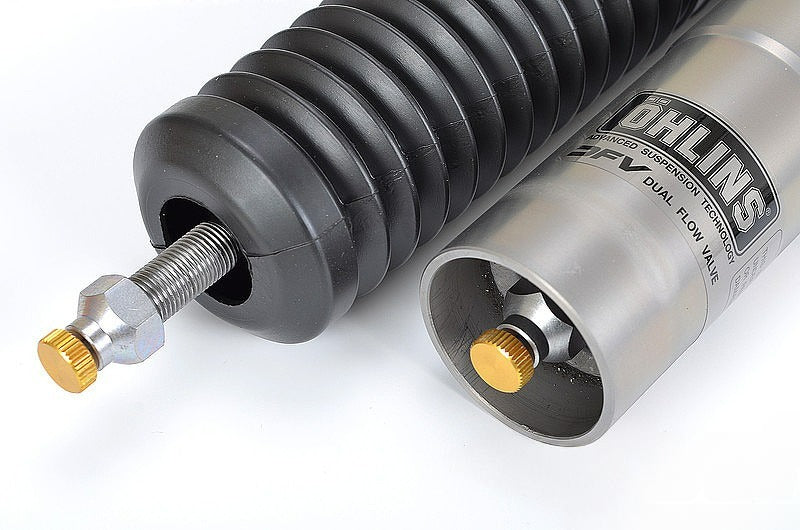
    DFV stands for Dual Flow Valve — Öhlins' signature damping technology, and the reason their Road & Track range has become the benchmark for dual-purpose coilovers. A conventional shock behaves differently on compression than on rebound. DFV technology changes that: the damper fluid follows a consistent path in both directions, so the wheel returns to the road almost instantly after a bump instead of skipping or unsettling the car.

    The practical result for you as a driver:

    • Comfortable enough for daily driving — DFV opens easily over small road imperfections, giving a ride quality closer to an OEM strut than a typical stiff coilover.
    • Sharp enough for the track — the same valve keeps the tire loaded and in contact with the tarmac when you're pushing hard through a corner.
    • One-knob adjustability — most DFV kits use a single gold adjuster knob for both compression and rebound, so you're not fumbling with four separate settings before a session.

    That's the entire appeal of ohlins dfv suspension in one sentence: motorsport-derived control, without sacrificing the drive to work on Monday. 

    Ohlins Suspension vs. Standard Coilovers — Is It Worth the Price?

    This is the question every buyer asks before spending real money on a suspension upgrade, so let's be direct about it.

    Standard coilovers give you adjustable ride height and firmer damping — useful, but basic. Ohlins suspension systems add:

    Feature Standard Coilovers Öhlins DFV / Road & Track
    Damping technology Fixed or basic adjustable valving Dual Flow Valve (DFV) or TTX twin-tube
    Ride comfort Often harsh, track-biased Supple on road, firm on track
    Adjustability Ride height only (typically) Height + compression/rebound in one knob
    Build Mixed steel/aluminum Aircraft-grade aluminum, corrosion tested to ISO 9227
    Warranty Varies, often 6–12 months 2-year limited warranty, TÜV approved
    Rebuildable Rarely Yes — serviceable for the life of the car


    For a daily driver that never sees a track, a cheaper coilover might be fine. But if you split your time between the road and track days — or you simply want the same engineering that OEMs like Porsche use to tune their own high-performance models — Ohlins suspension justifies its price with reliability, resale value, and a noticeably more planted feel at the limit.

    Ohlins DFV vs. Ohlins Advanced Track Day / TTX Kits

    Not all Ohlins racing suspension is built the same. CarGym's suspension range roughly splits into two tiers:

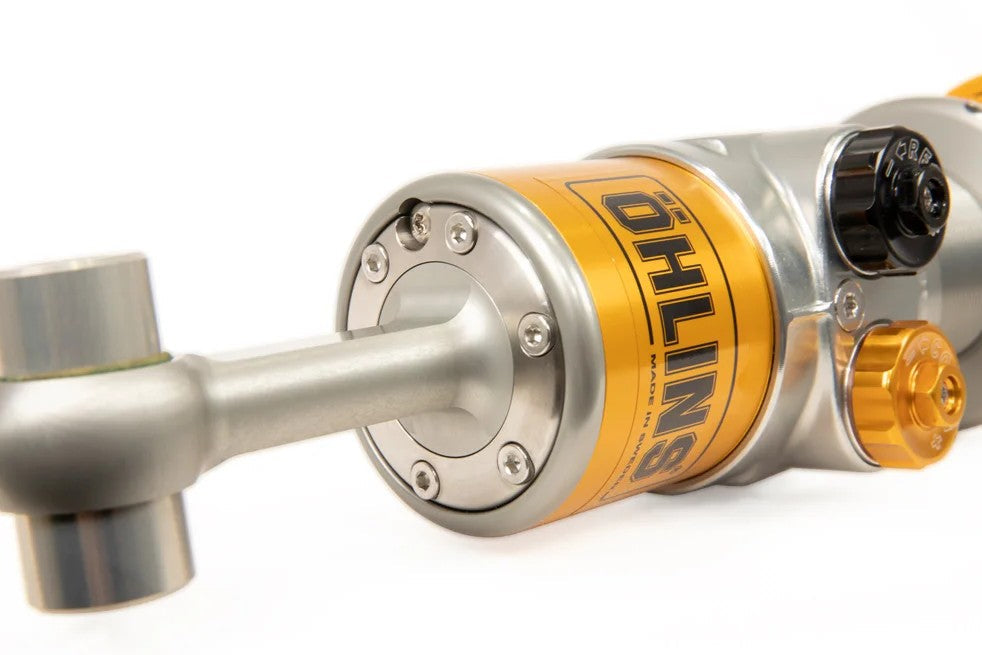
    • Ohlins DFV (Road & Track) kits — built for drivers who want one car that does both jobs well. Example: the Ohlins DFV Adjustable Coilover Suspension Kit for Porsche 991 911 (POSMU00S1) uses DFV technology with a 25-click compression and rebound adjuster, individual height adjustment, and a 2-year limited warranty — turn the gold knob clockwise before a track session, turn it back for the drive home.                                     


    If most of your driving is on the road with the occasional track day, start with a DFV kit. If your car is a dedicated track weapon, the Advanced Track Day / TTX range is the better investment.

    Quality, Warranty & What's Actually in the Box

    When you're spending thousands on suspension, build quality and after-sales support matter as much as the badge on the box. Every Ohlins suspension kit sold through CarGym includes:

    • Aircraft-grade aluminum construction for reduced unsprung weight without sacrificing strength
    • Salt-spray corrosion testing to ISO 9227, so the kit holds up in real-world conditions, not just on paper
    • 2-year limited warranty on every DFV and Advanced Track Day kit
    • TÜV approval — independently verified for safety and quality
    • Fully rebuildable dampers, meaning your kit can be serviced and refreshed rather than replaced when it eventually needs attention
    • Precise height adjustment via a spinning lower flange (not spring compression), so ride height changes don't distort the spring's intended characteristics

    This is the difference between buying a suspension kit and buying a suspension system — one that's designed to be maintained, not discarded.

    Which Ohlins Kit Fits Your Car?

    CarGym currently stocks Öhlins DFV and Advanced Track Day kits for a wide range of Porsche platforms — including the 911 (991, 992, 997, 996), 718/981 Boxster and Cayman, and GT3/GT2 variants — with fitment and pricing varying by chassis and options (such as PASM cancellation or front-lift compatibility). Browse the full, current range with live pricing and fitment notes on the CarGym Suspension collection page.

    A few pointers before you choose:

    • Confirm your exact chassis code (e.g., 991.1 vs 991.2, 997.1 vs 997.2) — Öhlins kits are fitment-specific, and the wrong variant won't bolt on cleanly.
    • Check if your car has PASM (Porsche Active Suspension Management) — you'll need the correct cancellation kit/bracket to run Öhlins in place of the factory electronic dampers.
    • Decide road vs. track priority — this determines whether a DFV Road & Track kit or an Advanced Track Day TTX kit is the right tier for you.

    Is Installation Difficult?

    Yes — plan for professional installation. Fitting a coilover kit properly involves torque-specific mounting, correct preload setup, and a full wheel alignment afterward to protect tire wear and handling. CarGym can advise on fitment and connect you with the right installer for your region — reach out via WhatsApp or email before you order if you're unsure which kit matches your car.

    Ready to Upgrade?

    Whether you're chasing a more composed daily commute or shaving seconds off your lap time, Ohlins DFV suspension delivers a rare combination: motorsport engineering with a genuinely comfortable everyday ride. Explore the full range — including the Porsche 991 911 DFV kit and the Porsche 992 GT3 Advanced Track Day kit — on the

    CarGym Suspension page, or

    contact the CarGym team directly via WhatsApp (+852 5401 2858)

    or sales@cargym.com to confirm fitment for your exact model before you buy.

    Frequently Asked Questions

    What is DFV suspension and how does it work? DFV stands for Dual Flow Valve, a technology developed by Öhlins that gives the damper a consistent flow path on both compression and rebound — improving comfort on rough roads while maintaining strong performance under hard driving.

    Is Öhlins DFV suspension better than standard coilovers? For most drivers who want both daily comfort and track capability, yes. Öhlins DFV offers more advanced damping control, a more refined ride, and better long-term durability than typical fixed or basic adjustable coilovers.

    Are Öhlins suspension systems worth the price? For drivers who want motorsport-level engineering, a 2-year warranty, TÜV approval, and long-term reliability, Öhlins systems are considered a strong investment rather than just an upgrade.

    How do I choose the right Ohlins kit for my car? Match the kit to how you'll use the car: DFV Road & Track kits suit drivers who split time between road and occasional track days, while Advanced Track Day (TTX) kits suit dedicated track and racing builds.

    Porsche OEM Wheels: The Complete Buyer's Guide (Sizes, Designs, Pricing & Where to Buy)

    Porsche OEM Wheels: The Complete Buyer's Guide (Sizes, Designs, Pricing & Where to Buy)

    If you're shopping for Porsche OEM wheels, you've probably already discovered two things: genuine wheels transform how a Porsche looks and drives, and buying them new from a dealer can cost more than some used cars. This guide walks through everything you need to know before you buy — genuine vs. aftermarket, how to pick the right design and size for your model, what "demo," "used," and "refurbished" actually mean, and how to avoid an expensive fitment mistake.

    Why Genuine Porsche OEM Wheels Are Worth It

    Every Porsche wheel program is engineered around a specific chassis, brake package, and suspension geometry. That's the core argument for Porsche OE wheels over generic aftermarket alternatives:

    • Exact fitment. Correct offset, bolt pattern, and hub bore mean no spacers, no rubbing, and no guesswork.
    • Brake clearance. Porsche calipers — especially PCCB and big-brake GT packages — are tight on clearance. OEM wheels are designed around them from day one.
    • Ride and NVH. Factory wheels are tuned alongside the suspension, so you don't get the harshness or vibration that can come with mismatched aftermarket sizing.
    • Resale value. Buyers shopping for a used Porsche often look for factory-correct wheels; non-factory setups can actually hurt resale versus a clean OEM look.
    • Styling accuracy. Designs like RS Spyder, Turbo Design, Exclusive Design, or Sport Classic are instantly recognizable and match the character of the specific trim they were built for.

    Aftermarket forged wheels still have a place — mainly for owners chasing lighter unsprung weight or a completely custom look. But for most owners, genuine Porsche wheels remain the safer, more cost-effective, and more reliable choice.

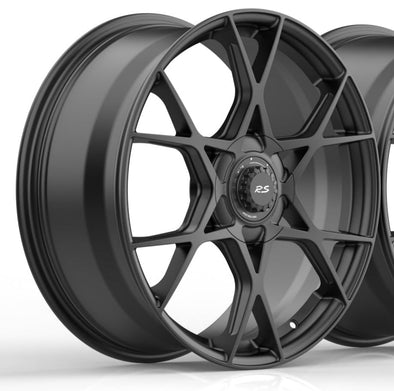
    Porsche GT3RS / GT4RS Centerlock Style Custom Forged Wheels

    New vs. Demo vs. Used vs. Refurbished — What You're Actually Paying For

    This is where most buyers get confused, and it's also where the real savings are. A brand-new set direct from Porsche can run into the tens of thousands of dollars. That's why sourcing from a specialist matters — you can get the exact same factory wheel at a fraction of dealer pricing, depending on condition grade:

    • New/New take-off — Unused wheels, often removed from a car during a trim upgrade or aftermarket swap. Cosmetically flawless, full retail-adjacent quality at a lower price.
    • Demo car wheels — Pulled from dealer demonstrator or press vehicles with light mileage. Minor cosmetic wear at most, mechanically as-new.
    • Used — Removed from an owner's car, typically during a wheel or tire upgrade. Condition varies, but functionally sound and usually the best value per set.
    • Refurbished — Used wheels that have been inspected, repaired, and refinished (straightened, re-machined, repainted) to bring them back to a like-new finish.

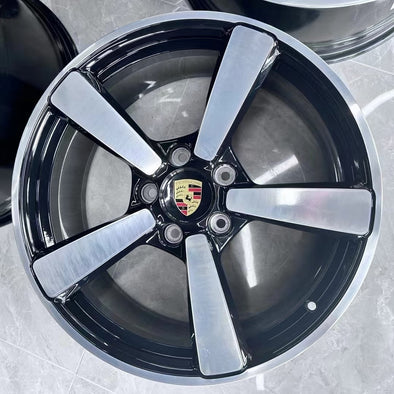
    This is exactly the model you'll see across CarGym's Porsche genuine OEM wheels set collection, where each listing clearly states the condition and shows the original retail price crossed out next to the current price — so you can see the actual savings before you buy, not after.

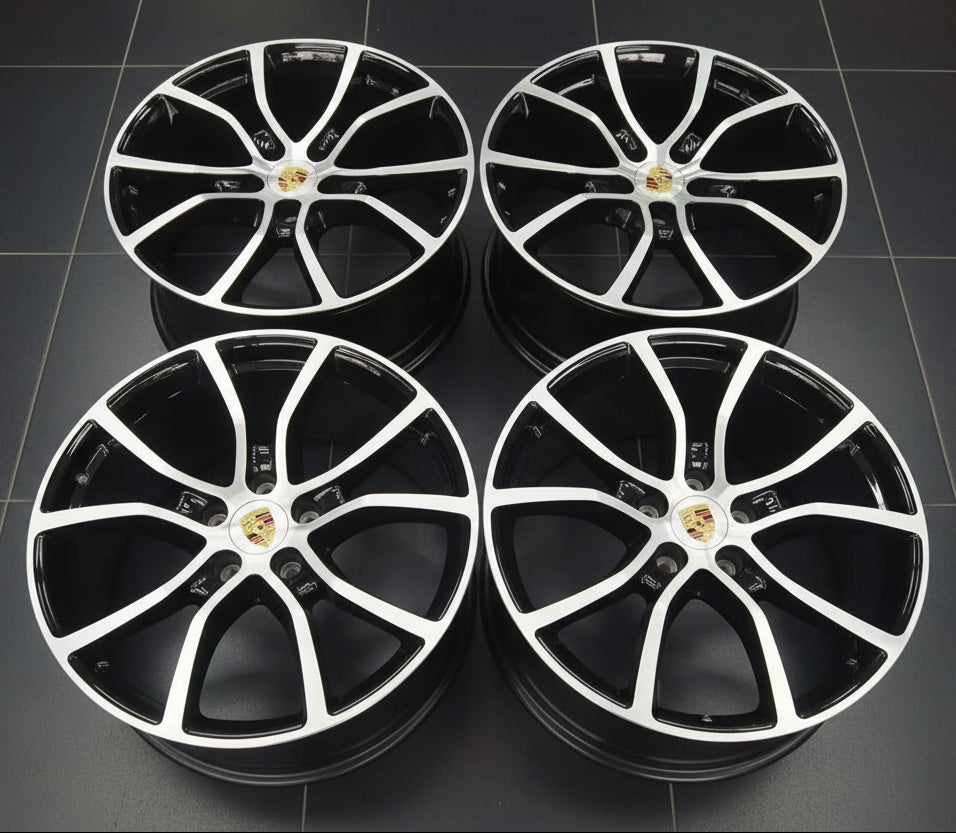
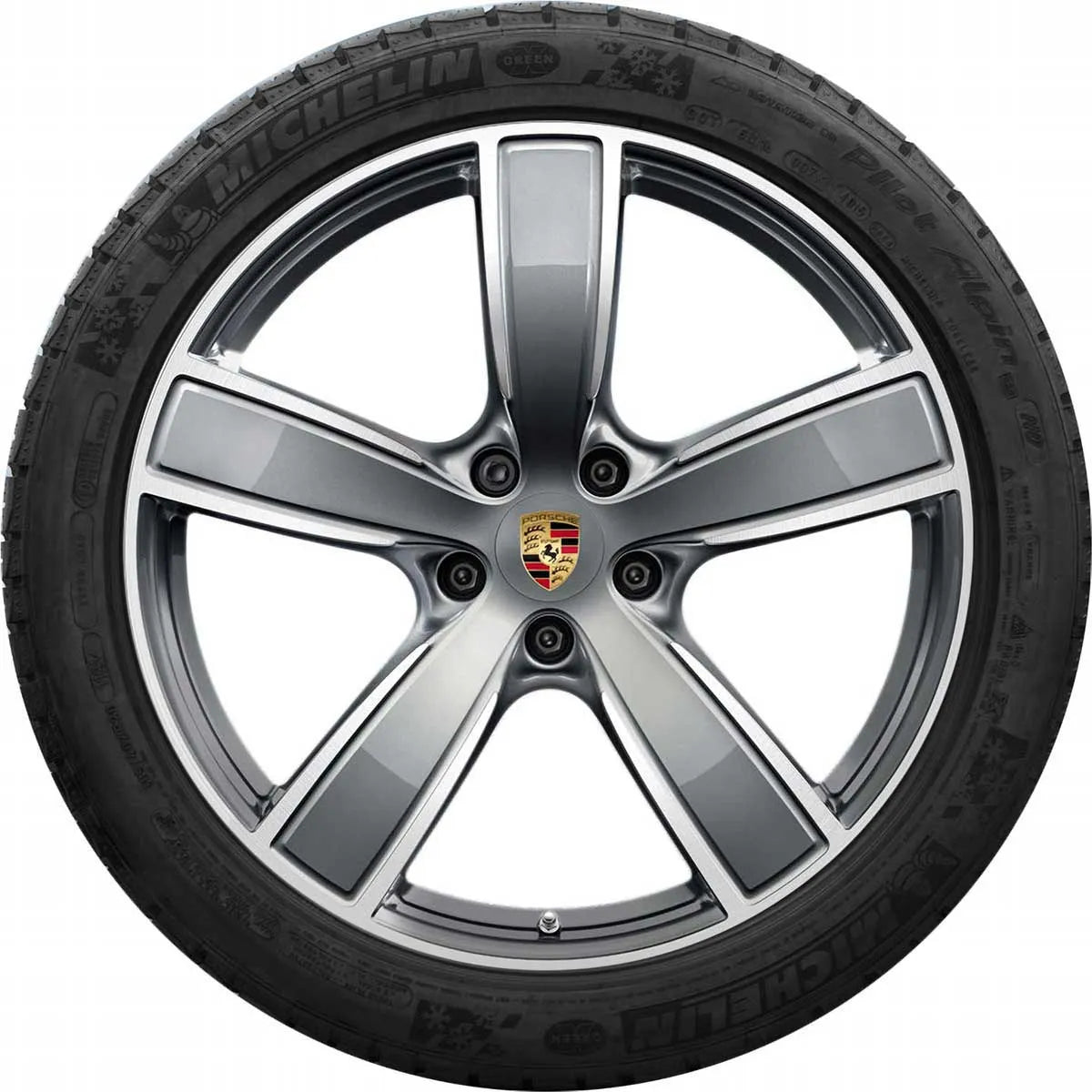
    (Demo Car Wheels) 20”/21" Porsche 911 992 Carrera Exclusive Design OE Wheels

    Popular Porsche OEM Wheel Designs by Model

    Porsche has released dozens of factory wheel designs over the years. A few of the most sought-after:

    911 (992/991 generations)

    • RS Spyder Design — motorsport-inspired, works especially well on Carrera and GTS trims
    • Turbo Design (I & II) — bold multi-spoke look built for the Turbo/Turbo S
    • Carrera Classic / Carrera Classic III — a cleaner, retro-leaning aesthetic
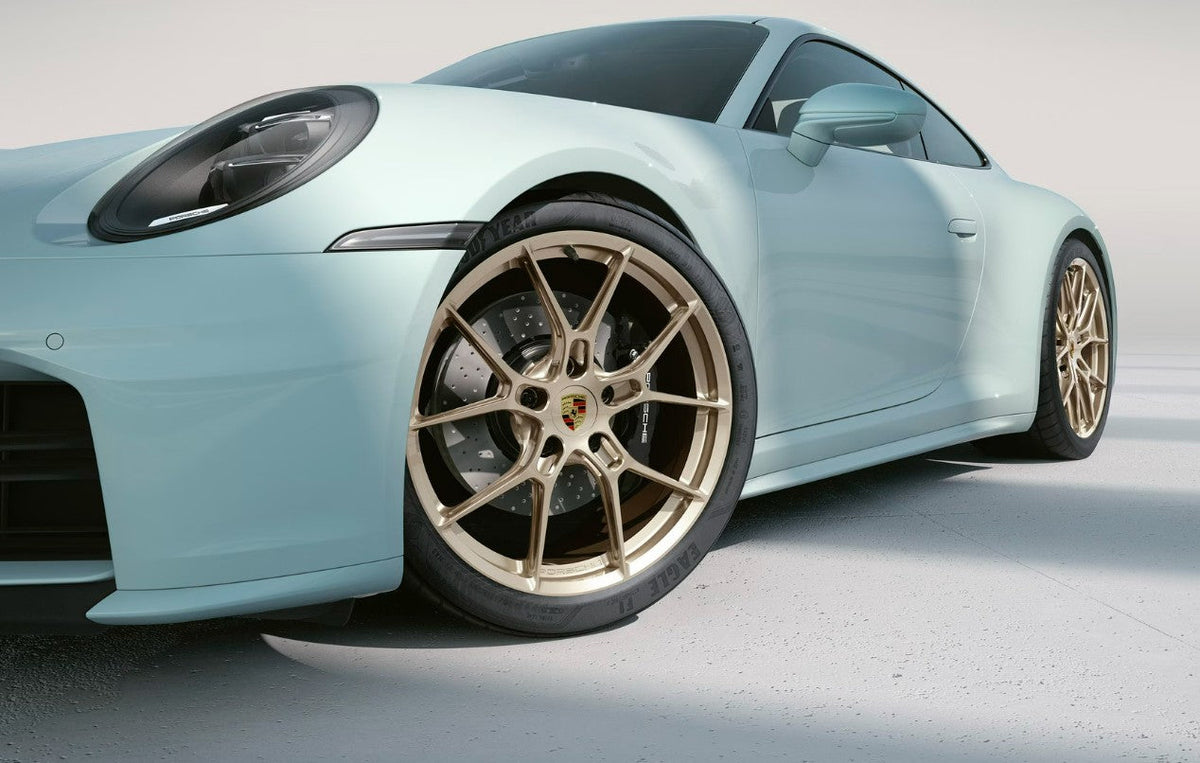
    • GT3 / GT3 RS centerlock wheels — lightweight magnesium construction for track-focused cars
    • Exclusive Design — Porsche's premium styling line, often color-matched

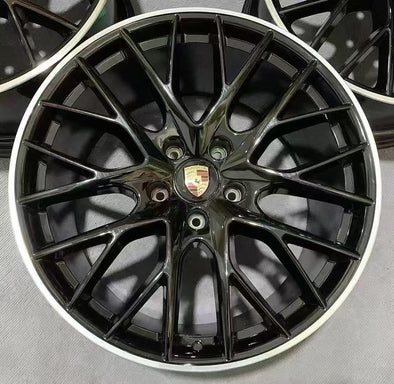
    20”/21" Porsche 911 992 Carrera Lightweight Wheels Set20”/21" Porsche 911 992 Carrera Lightweight Wheels Set

    Cayenne

    • Exclusive Design, RS Spyder Design, SportTechno, Turbo Design — all available in 21" and 22" fitments depending on generation

    Macan (including the H2 EV / GTS / Turbo 2025+ range)

    • RS Spyder, Sport, Exclusive Design, and Macan Style wheels, typically 20"–22"

    Panamera

    • Sport Design and 911 Turbo Design wheels in 21" sizes

    (Used) 21” Porsche Panamera Sport Design OE Wheels

    718 Boxster/Cayman

    • Carrera S and Carrera Sport complete wheel sets, usually 20"

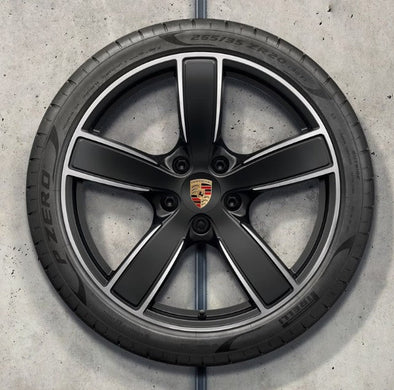
    20” Porsche 718 Boxster / Cayman Carrera Sport OE Complete Wheels Set

    If you know your VIN or current wheel part number, matching the exact design is straightforward. If you're upgrading to a different look (say, swapping factory 19s for a 21" RS Spyder set), fitment verification becomes more important — see the sizing section below.

    How to Choose the Right Size and Fitment

    Before buying any Porsche OEM wheels, confirm these four things:

    1. Bolt pattern and center bore — must match your specific model and generation exactly.
    2. Offset (ET) — determines how far the wheel sits in or out of the fender. Even a few millimeters off can cause rubbing or poor handling feel.
    3. Width and diameter, front vs. rear — most Porsche models run staggered setups (narrower front, wider rear), so front and rear wheels are usually different sizes.
    4. TPMS compatibility — factory wheels are typically pre-drilled or sized for Porsche's TPMS sensors, so you avoid buying sensors separately.

    A general rule of thumb: larger wheels (21"–22") sharpen the visual stance and can improve cornering response, but they also mean shorter sidewalls, which trades away some ride comfort. Smaller factory sizes (19"–20") tend to ride better on rougher roads and are gentler on tire wear. If you split time between daily driving and spirited weekend runs, it's worth weighing that trade-off against how the car will actually be used before committing to a size.

    What to Check Before You Buy

    Whether you're buying new, demo, used, or refurbished, run through this checklist:

    • Condition photos — ask for close-up shots of the barrel, spokes, and mounting face, not just a glamour shot.
    • Structural integrity — confirm there's no cracking, bending, or repair welds (a legitimate concern on curb-rashed or accident-sourced wheels).
    • Finish match — if you're keeping factory paint/finish, confirm the exact color code matches your car.
    • Complete sets — verify you're getting a full matched set (and center caps/hardware), not mismatched leftovers from different cars.
    • Included TPMS sensors — confirms whether sensors are bundled or need to be purchased separately.
    • Return protection — buy from a seller with a clear damaged/defective policy, so you're covered if something arrives wrong.

    Why Buy Porsche OEM Wheels from CarGym

    CarGym has been sourcing performance and OEM parts for European and Japanese cars since 2002, and was named Best Car Tuning Parts Supplier in Hong Kong of 2025. A few reasons Porsche owners choose CarGym specifically for Porsche OE wheels:

    • Condition-graded inventory — every listing is marked new, demo, used, or refurbished, with the original retail price shown alongside the current price, so the discount is transparent.
    • Broad model coverage — current listings span 911 (992/991), Cayenne, Macan (including the newer H2 EV/GTS/Turbo generation), Panamera, and 718 Boxster/Cayman, across popular factory designs like RS Spyder, Exclusive Design, Turbo Design, and centerlock GT3/GT3RS-style wheels.
    • Worldwide shipping — CarGym ships to Asia, Europe, North America, and beyond, so location isn't a barrier to sourcing a hard-to-find factory design.
    • A damage/defect exchange policy — if a wheel arrives damaged or defective, CarGym covers replacement shipping and handles the exchange directly.
    • Specialist knowledge — this isn't a general parts marketplace; the team works specifically with European and Japanese performance brands daily, which matters when you're trying to match an exact offset or design across model years.

    Browse the current inventory of Porsche OEM wheels to see live pricing and condition grades by model.

    Frequently Asked Questions

    Are Porsche OEM wheels better than aftermarket wheels? For most owners, yes. Factory wheels are engineered for correct offset, brake clearance, and ride quality specific to your model, so you avoid fitment headaches. Aftermarket forged wheels can offer more customization or lighter weight, but genuine wheels are generally the safer, more predictable choice — and tend to hold resale value better.

    How much do Porsche OEM wheels cost compared to buying new from a dealer? Genuine wheels bought new through a Porsche dealer can be significantly more expensive than sourcing new, demo, used, or refurbished sets from a specialist. Buying a lightly used or demo set can cut the cost dramatically while keeping the exact factory design and fitment.

    What's the difference between demo, used, and refurbished wheels? Demo wheels come off low-mileage dealer or press cars and are close to new condition. Used wheels come from owner vehicles and vary more in cosmetic condition but are functionally sound. Refurbished wheels are used wheels that have been inspected, repaired, and refinished to a like-new standard. All three are meaningfully cheaper than buying new.

    What size Porsche wheels should I choose? It depends on your model, generation, and how you use the car. Larger wheels (21"–22") sharpen the look and cornering feel; smaller factory sizes (19"–20") typically ride more comfortably and last longer on rough roads. Matching offset, bolt pattern, and front/rear staggered widths correctly matters more than diameter alone.

    Do I need new TPMS sensors when I buy OEM wheels? Not always — many factory wheel sets are sold with sensors included or are compatible with your existing sensors. Confirm this with the seller before you buy to avoid an unexpected extra cost.

    Is it worth upgrading Porsche wheels for performance, not just looks? Yes. Lighter, correctly-fitted wheels reduce unsprung weight, which can improve steering response, braking stability, and overall handling feel — on top of the styling upgrade.

    Ready to find the right set for your car? Explore CarGym's full range of Porsche genuine OEM wheels, filterable by model, size, and condition, or reach out via WhatsApp for help matching the exact fitment for your Porsche.

    Duke Dynamics Aero Kits for Lamborghini Revuelto: Ultimate 2026 Guide

    Duke Dynamics Aero Kits for Lamborghini Revuelto: Ultimate 2026 Guide 

    When upgrading a Lamborghini Revuelto, few enhancements deliver the combined impact of form and function quite like an aero kit. Duke Dynamics has carved a niche in the performance tuning community by crafting high-quality carbon fiber aero kits tailored for supercars like the Revuelto. These carbon fiber aero kits elevate the car’s aggressive styling while optimizing aerodynamic efficiency, making them an attractive choice for enthusiasts in Hong Kong SAR who demand both aesthetics and performance. Exploring Duke Dynamics’ approach reveals why their aero kits stand apart in terms of engineering precision and material excellence, providing benefits that extend beyond mere appearance upgrades.

    Overview of Duke Dynamics Aero Kits for Lamborghini Revuelto

    Duke Dynamics specializes in premium carbon fiber aero kits designed to transform supercars visually and aerodynamically. Their expertise lies in producing lightweight yet durable components that enhance vehicle dynamics without compromising structural integrity. The Lamborghini Revuelto, lauded for its cutting-edge design and powerful hybrid V12 engine, serves as an ideal candidate for such upgrades, offering the perfect canvas for aerodynamic refinement. Duke Dynamics’ aero kits are unique due to their use of autoclave-cured carbon fiber, ensuring a flawless finish and maximum strength. Upgrading with these kits translates to sharper handling, increased stability at speed, and a striking, customized appearance that confidently stands out on the roads of Hong Kong SAR.

    Main Features and Design Elements of the Aero Kits

    The Duke Dynamics aero kit for the Lamborghini Revuelto typically includes essential components such as front splitters, rear diffusers, side skirts, and spoilers. Each piece is engineered to complement the natural flow of the car’s contours, enhancing downforce and reducing drag. To achieve superior performance and a perfect fit, Duke Dynamics employs autoclave pre-preg carbon fiber—this advanced material curing process yields strong, lightweight parts with a smooth, glossy finish resistant to warping. The design workflow integrates 3D scanning of the Revuelto’s bodywork followed by detailed CAD modeling, ensuring the kit fits seamlessly without modification. The result is an aero package that not only boosts aerodynamic efficiency but also dramatically upgrades the car’s visual impact with a track-inspired edge.

    Performance Benefits of Installing a Duke Dynamics Aero Kit

    Installing a Duke Dynamics aero kit significantly improves the Lamborghini Revuelto’s downforce, enhancing grip and vehicle stability during high-speed driving or cornering. The aerodynamic components optimize airflow over and under the car, aiding in brake cooling and engine heat management which are crucial for maintaining peak performance. Compared to the stock bodywork, these upgrades reduce lift and drag more effectively, translating to better handling characteristics and higher confidence behind the wheel. Importantly, Duke Dynamics’ aero kits strike a harmonious balance between functional performance gains and aggressive styling, making them a comprehensive enhancement rather than just an aesthetic statement.

    Installation Process and Professional Recommendations

    Fitting a Duke Dynamics aero kit demands meticulous care due to the precision required for each carbon fiber piece. Because of subtle variances in fitments and the complexity of composite materials, professional installation by experienced technicians is highly recommended. Expert shops familiar with supercars ensure factory-level precision, avoiding damage or misalignment that can occur with DIY attempts. Installation timelines usually range from a few days up to a week, depending on the extent of the kit and additional refinements. Preparing the vehicle by thoroughly cleaning surfaces and checking for existing bodywork integrity can streamline the process and guarantee optimal adhesion and fit.

    Cost and Value Considerations for Duke Dynamics Aero Kits

    The price range for Duke Dynamics aero kits varies based on the number of included components and custom fitment services, reflecting the high-quality autoclave carbon fiber and engineering behind each part. While investment costs can be notable, these kits deliver significant value through enhanced durability, a comprehensive warranty, and the potential to increase the Lamborghini Revuelto’s resale appeal by preserving an exclusive, performance-focused look. Prospective buyers should weigh budget against their performance aspirations and aesthetic priorities, ensuring the upgrade aligns with long-term ownership goals.

    Where to Buy and Shipping Insights

    Trusted retailers and official Duke Dynamics distributors remain the most reliable sources for genuine aero kits. Purchasing from authorized dealers in Hong Kong SAR or reputable international suppliers ensures authenticity along with proper warranties. Shipping these delicate carbon fiber components involves careful packaging and insurance to cover potential damage. Delivery timelines depend on stock availability and distance, often requiring several weeks, especially for custom kits. Upon receipt, thorough inspection by the buyer is essential to verify condition and completeness. Buyers are advised to confirm seller credentials to avoid counterfeit products, which not only risk poor fitment but also compromise performance and safety.

    Common Questions About Duke Dynamics Aero Kits

    Many inquiries center on compatibility, with Duke Dynamics aero kits designed to fit Lamborghini Revuelto models released from 2023 onward, including coupe and roadster variants. Maintenance involves regular cleaning with non-abrasive products to preserve the carbon fiber material’s finish and clarity, avoiding harsh chemicals. Kits can often be customized or purchased as individual parts, accommodating specific upgrade needs. Installation durations typically range between two to seven days, with warranty coverage that supports manufacturing defects but not damage from improper handling or accidental impacts, underscoring the need for professional fitment.

    Key Insights for Supercar Enthusiasts

    Duke Dynamics aero kits provide Lamborghini Revuelto owners a unique opportunity to merge artful design with tangible performance gains. Their use of advanced materials and precision engineering ensures these upgrades enhance both aerodynamics and aesthetics, appealing to aficionados who prioritize excellence in every detail. While costs and installation demand careful consideration, the overall value proposition resonates strongly with those seeking a refined yet aggressive presence on Hong Kong roads. Choosing Duke Dynamics means investing in a superior product that complements the Revuelto’s cutting-edge nature, delivering enhanced driving dynamics alongside unmistakable style.

    How Advanced Metal Forming Drives the Car Performance of WedsSport Wheels in 2026

    How Advanced Metal Forming Drives the Car Performance of WedsSport Wheels in 2026 

    The Advanced Metal Forming (AMF) technology marks a significant leap in wheel fabrication, particularly showcased by WedsSport’s SA-52R model. For enthusiasts and professionals alike, understanding this hybrid process reveals why these automotive light alloy disk wheels excel in both strength and weight optimization. This insight is key to appreciating how AMF wheels redefine performance, especially when driving the car on demanding roads or racing circuits in markets like Hong Kong SAR.

    Understanding Advanced Metal Forming (AMF) Technology

    AMF is a hybrid wheel manufacturing method combining casting and roll-forming. Initially, the wheel’s rim and disc are cast as a unit, then the rim section undergoes a spinning process where it is thinned and stretched by rotating a metal pipe axis. This blend of casting’s flexibility with forging-like grain refinement enhances material integrity and durability, delivering stronger, lighter wheels without the full complexity of forging. This advanced process aligns with technical standards for automotive light alloy disk wheels, ensuring both quality and safety.

    The AMF Manufacturing Process Behind WedsSport Wheels

    During production, WedsSport simultaneously casts the rim and disc, ensuring a seamless structure. The rim is then roll-formed by spinning, which stretches the aluminum alloy and realigns its crystal structure for optimal strength and fatigue resistance. This process improves upon traditional cast wheels—which might contain structural voids—and differs from fully forged wheels by offering a balance of lightweight properties and cost-effective durability. It’s akin to starting with a solid block and carefully sculpting it into a refined form, versus shaping clay from scratch. This rotation forming process is key to sports wheel evolution, providing enhanced performance while maintaining practical retail prices for the Japanese market and beyond.

    Benefits of AMF Wheels When Driving the Car

    AMF wheels deliver superior strength and flexibility while reducing overall weight, particularly the unsprung mass affecting handling. This translates to quicker steering response, improved grip, and less strain on suspension components. Whether navigating city streets or pushing limits on a racing circuit, drivers benefit from enhanced stability and safety. The reduced weight also helps maintain tire contact and improves braking performance, making everyday maintenance checks critical to sustain these gains and avoid defects responsible for common issues.

    Center Caps and Face Types: Styling and Functional Options for WedsSport Wheels

    WedsSport offers option parts like Center Cap Type3 and Flat Center Cap Type2, both enhancing wheel aesthetics and protecting hub components. Different face types affect the wheel’s visual appeal and airflow around the brakes, contributing to cooling during spirited driving or rally use. These styling variations allow drivers in the Japanese market and beyond to tailor wheels for performance and appearance while ensuring functional value.

    Repair Parts and Maintenance for AMF Wheels

    Repair parts such as replacement center caps and light alloy valve black types are accessible through local distributors, typically priced between JPY 1,000 and JPY 2,500 tax excluding. Performing everyday maintenance checks guards against the defect responsible for common issues like valve damage or cap loss, ensuring longevity and keeping the wheels in optimal condition for both road and rally or similar purposes.

    Compliance with Technical Standards and Testing

    WedsSport wheels meet stringent technical standards including JWL for passenger cars, JWL-T for trucks and buses, and carry VIA certification, confirmed by the Automotive Light Alloy Wheel Testing Council (ALAWTC). These certifications guarantee that while the wheels endure rigorous testing for safety and durability, warranties exclude damages caused by modifying the car illegally, improper maintenance, or using the car to race outside approved conditions such as unregulated racing circuits.

    The Role of AMF in the Sports Wheel Evolution

    AMF technology has driven the evolution of sports wheels particularly in the Japanese market, shifting the industry toward lightweight, high-strength designs. WedsSport leverages AMF advancements to produce wheels that meet modern demands, merging motorsport heritage with street-legal reliability and cutting-edge performance. Popular models such as the SA-01R, SA-20R, SA-99R, and SA-75R showcase the diversity within the AMF line tailored for different driving preferences and performance requirements.

    Using WedsSport AMF Wheels: Best Practices for Driving and Upkeep

    To maximize AMF wheel lifespan and maintain performance, avoid harsh impacts and unauthorized modifications. Warranty limitations advise against driving the car on racing circuits or rally surfaces without approval. Regular inspections for damage, correct nut set torque, and valve integrity including light alloy valves will prevent defect-related issues, supporting safe, confident driving every day.